Blog
Is Pakistani Food Spicy? A Complete Flavor Guide for Beginners

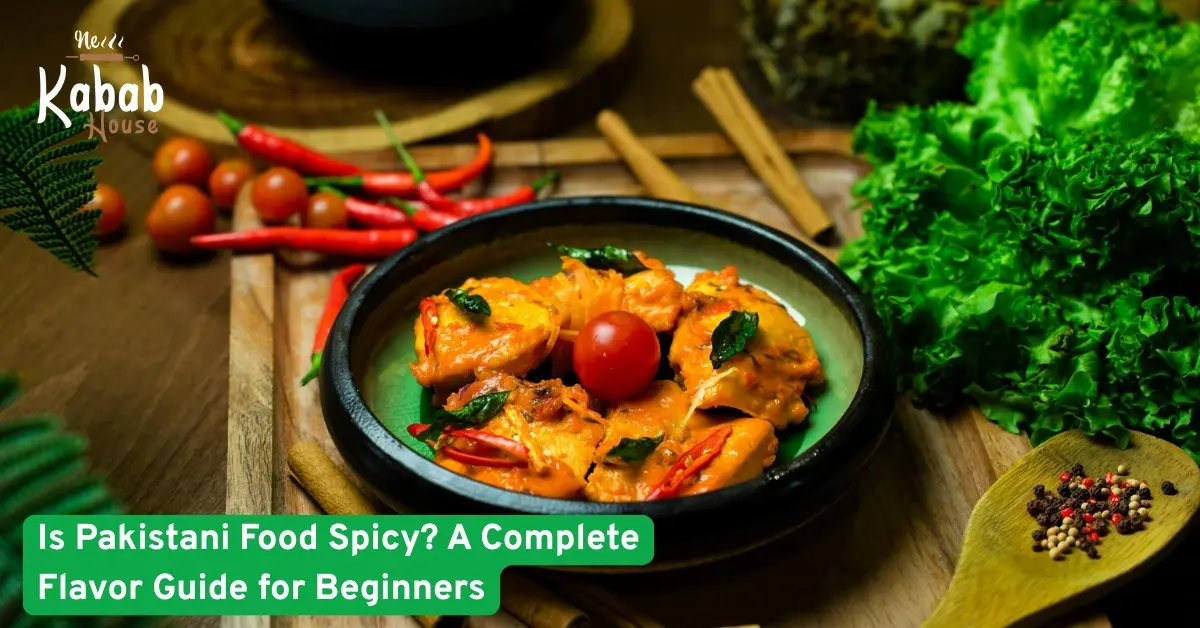
Entering a Pakistani restaurant for the first time often comes with a mix of excitement and trepidation, leading many to ask: Is Pakistani Food Spicy? A Complete Flavor Guide for Beginners is exactly what you need to navigate this aromatic landscape. You are likely here because you want to explore the rich, meat-heavy traditions of Lahore and Karachi but aren’t sure if your palate can handle the heat. The truth is, while some dishes offer a bold kick, the hallmark of this cuisine is “masala”—a complex layering of spices designed to enhance, not overpower, the protein. Recent 2026 dining surveys indicate that over 75% of American diners now actively seek out “adventurous” heat levels, yet the most popular Pakistani dishes in the USA remain those that strike a perfect balance between savory depth and mild warmth. This guide will help you decode the menu so you can dine with confidence.
Heat vs. Flavor: Understanding the Masala Base
The most common misconception about Pakistani cooking is that “spicy” only refers to chili-induced heat. In reality, the “spice” in this cuisine is a sophisticated blend of seeds, barks, and pods that provide fragrance and health benefits without necessarily burning the tongue.
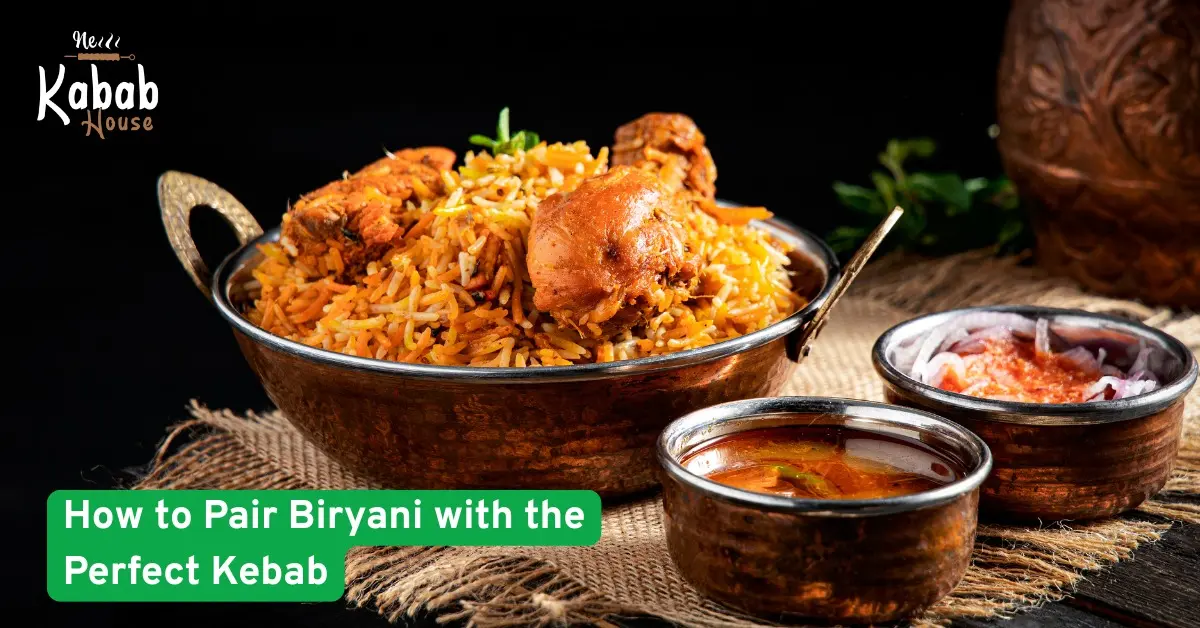
- Aromatic Foundations: Spices like green cardamom, cinnamon sticks, and cloves are the “high notes” of the kitchen. They provide a sweet, woody scent that defines dishes like Biryani and Pulao.
- The Earthy Mid-Tones: Cumin (Zeera) and Coriander (Dhania) are used lavishly. They offer a nutty, lemony depth that forms the “body” of most gravies.
- The Heat Sources: Red chili powder (Lal Mirch) and fresh green chilies are the primary heat sources. However, in most professional kitchens, these are adjustable variables.
- Garam Masala: Often sprinkled at the end, this “hot blend” actually refers to warming the body through metabolism rather than tongue-stinging heat.
Understanding Is Pakistani Food Spicy? A Complete Flavor Guide for Beginners means realizing that a dish can be highly “spiced” with ten different ingredients while remaining perfectly mild in temperature.
Best Dishes for Beginners: From Mild to Wild
If you are new to these flavors, the best way to start is by choosing dishes that showcase the diverse range of the Pakistani flavor profile.
The Gentle Entry: Pulao and Korma
If you want to avoid heat entirely, start with a Beef or Chicken Pulao. Unlike its cousin Biryani, Pulao is a subtle, stock-based rice dish that relies on whole aromatics like star anise and black cardamom. Similarly, a White Korma uses a base of yogurt, cream, and cashews, resulting in a rich, velvety sauce that is decadent rather than fiery.
The Bold Middle: Seekh Kababs and Karahi
For those ready for a bit more “zing,” the Chicken Karahi is a staple. Cooked in a wok-like pan with ginger, garlic, and tomatoes, it has a bright, zesty flavor. While it includes green chilies, they are often added whole, allowing you to control the heat. Seekh Kababs, grilled over charcoal, offer a smoky, peppery kick that is balanced perfectly when dipped in a cool mint raita.
The Heat-Seeker’s Choice: Nihari
If you are asking Is Pakistani Food Spicy? A Complete Flavor Guide for Beginners because you want the heat, then Nihari is your destination. This slow-cooked beef stew is known for its rich, oily “tari” (spice layer) and is traditionally garnished with mounds of sliced ginger, lemon, and chopped green chilies. It is a bold, soul-warming experience that defines the Pakistani spirit.
Frequently Asked Questions (FAQs)
1. Can I ask the chef to make my food “mild”?
Absolutely. Most Pakistani dishes are prepared fresh. You can always ask for “mild,” “medium,” or “Desi hot.” Reputable restaurants are happy to adjust the chili levels for beginners.
2. What is the best side dish to cool down a spicy meal?
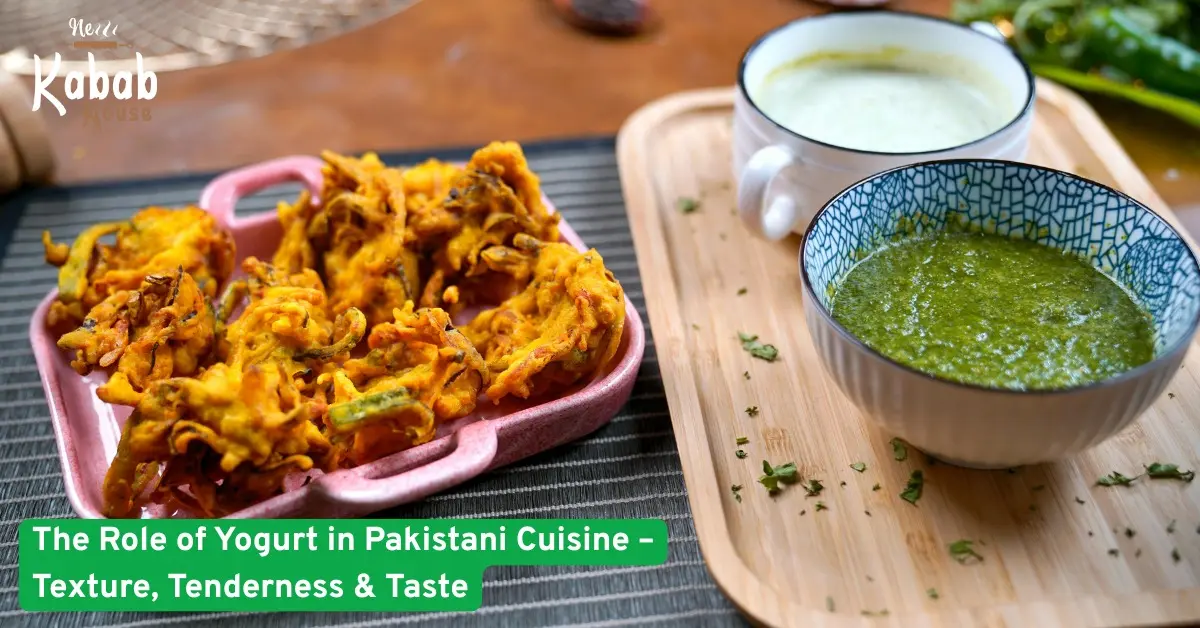
Raita is your best friend. It is a yogurt-based dip mixed with cumin and cucumber that acts as a natural fire extinguisher for your palate.
3. Is Pakistani food the same as Indian food?
They share roots, but Pakistani food is more meat-centric (beef, lamb, goat) and often uses more whole spices and “dry-roasting” techniques, whereas North Indian food leans more toward vegetarian options and creamier bases.
4. Why is my mouth tingling even if the food isn’t “hot”?
That is likely the effect of black pepper or cloves! These spices create a warming sensation on the tongue that is different from the sharp “burn” of a chili pepper.
5. What bread should I order to balance the flavors?
A buttery Garlic Naan or a flaky Paratha is perfect for scooping up spicy gravies, as the dough and fats help neutralize the heat of the chilies.
Why Choose a New Kabab House?
At New Kabab House, we pride ourselves on being the gateway to authentic flavors for the local community. We know that the first bite of a new cuisine should be an invitation, not a challenge. That’s why our chefs at New Kabab House focus on the E-A-T (Expertise, Authoritativeness, and Trustworthiness) of traditional cooking. We source our spices directly and grind them in-house to ensure that our Is Pakistani Food Spicy? A Complete Flavor Guide for Beginners isn’t just a guide—it’s a reality you can taste. Whether you want a mild, creamy butter chicken or a robust, authentic Lahori Chana, New Kabab House provides a welcoming atmosphere where every guest’s heat preference is respected and celebrated.
Embark on Your Flavor Journey
Ultimately, Pakistani cuisine is a celebration of balance. It is a symphony of flavors where heat is just one instrument in a much larger orchestra. Once you move past the fear of the “spice,” a world of tender meats and fragrant rices awaits.
Reserve Your Table Today
Ready to find your favorite dish? Visit New Kabab House today and let our servers guide you through a customized tasting experience. Discover for yourself why the world is falling in love with our kitchen and get a first-hand answer to: Is Pakistani Food Spicy? A Complete Flavor Guide for Beginners!