

Blog
Exploring the Health Benefits of Olive Oil

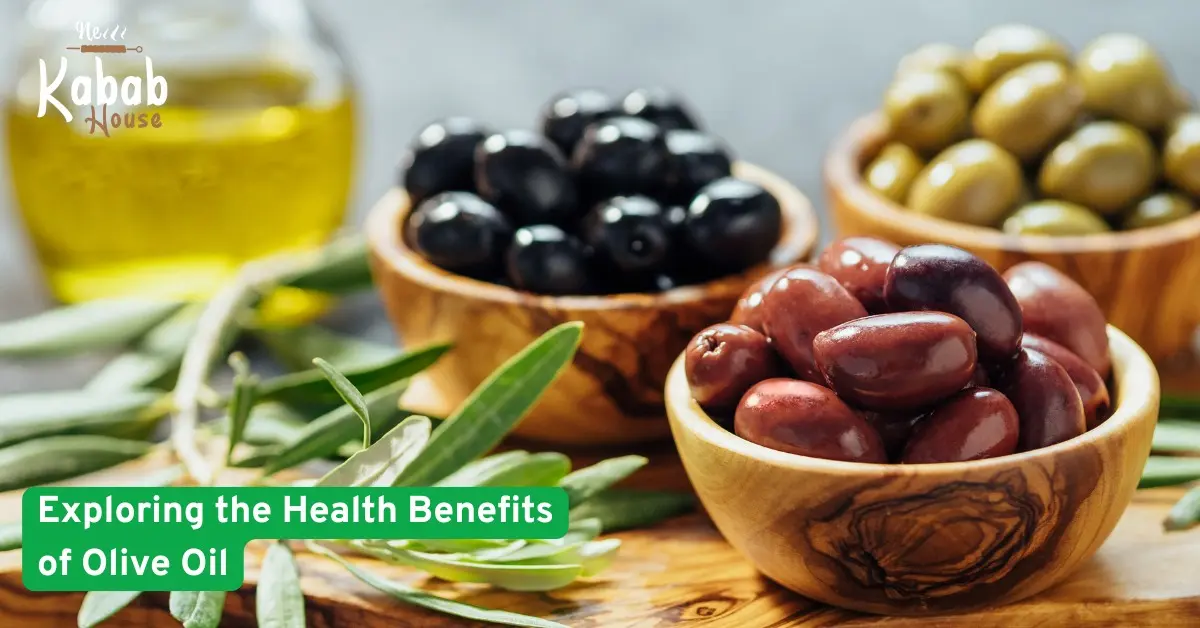
Olive oil has long been observed not only for its rich taste but also for the impressive array of health benefits. Since more people are becoming aware of the importance of a healthy diet, olive oil has been recognized as a major component for a balanced lifestyle. Packed with healthy fat and nutrients, olive oil is not only delicious, but also provides many advantages that contribute to overall well -being. If you are looking for a healthy way to increase your cooking, then olive oil can be just what you need.
1. Rich in Healthy Fats
One of the standout properties of olive oil is its high content of monounsaturated fat. These are “good” fat that can have a positive effect on your health. Unlike trans fats or saturated fats found in many processed foods, monounsaturated fat help reduce poor cholesterol levels and improve heart health. Studies show that incorporating olive oil in your diet can reduce the risk of heart diseases by improving lipid profiles of your blood.
How to use it:
Olive oil can be used in various ways, from saving vegetables to dripping above salads or using it as a marinade for meat. Due to your heart-healthy fat content, it is a great choice for butter and other low healthy oils.
2. Packed with antioxidants
Olive oil is rich in antioxidants, including vitamin E and polyphenol. These powerful compounds help fight free radicals in the body, reduce oxidative stress and reduce the risk of chronic diseases. Antioxidants in olive oil not only support heart health, but also promote a healthy brain and skin.
How to use it:
You can only enjoy the antioxidant benefits of olive oil by adding it to your food. Whether you use it as a dressing for your salad or drip it on roasted vegetables, you are nourishing your body with these powerful compounds.
3. Anti -inflammatory properties
Chronic inflammation is a known contribution to many health conditions, such as arthritis, diabetes and certain types of cancer. Olive oil contains olochethal, a compound that shows the same effect of nonsteroidal anti-inflammatory drugs (NSAIDs), helping to reduce inflammation in the body. Regular consumption of olive oil can reduce the level of inflammatory markers in the blood, which can contribute to better overall health.
How to use it:
Add olive oil to your daily day routine as part of a Mediterranean diet, use its anti -inflammatory effect. You can include it in your diet as cooking oil or as part of the dressing for a healthy salad.
4. Promises healthy digestion
Olive oil is a natural source of monounsaturated fat, which A, D, E, and K. Such as fat helps in the absorption of soluble vitamins. It can also protect the digestive system from harmful bacteria, supporting a healthy intestine microbiom.
How to use it:
To support healthy digestion, try to take a large spoon of olive oil in the morning on an empty stomach. This can help encourage digestion and promote regularity.
5. Weight management benefits
Despite having calories, olive oil can actually help in weight management. Monoonsaturated fat in olive oil helps you feel full for a long time, which can reduce overall calorie intake. Additionally, studies suggest that intake of olive oil can help balance blood sugar levels, making it a useful tool to maintain healthy weight.
How to use it:
By adding to your salad, include olive oil in your food, cook the vegetables with it, or even use it as a drip on dishes such as pasta. By using olive oil as part of a balanced diet, you can support healthy weight management by enjoying delicious food.
Frequently Asked Questions (FAQs)
1. Is olive oil suitable for high heat cooking?
Yes, olive oil has a relatively high smoke point, which is suitable for cooking on moderate heat. Additional virgin olive oil is best used for minimal heat cooking, while regular olive oil can handle high temperatures.
2. What is the best type of olive oil to buy?
Additional virgin olive oil is the highest quality, as it is cool and maintains the most nutrients. This is the best option for salad, dressing and finishing dishes. For cooking, you can use regular olive oil, which is more sophisticated.
3. Can olive oil help with skin health?
Yes, olive oil contains vitamin E and antioxidants that help the skin nourish and protect. It is often used for its moisturizing and anti-aging properties in skincare products.
4. How much olive oil should I consume daily for health benefits?
A specific recommendation is 1 to 2 tbsp olive oil daily, either in cooking or as part of your diet. It provides heart-healthy fat and antioxidants without overloading on calories.
5. Can olive oil help reduce blood pressure?
Studies suggest that incorporating olive oil in your diet can help reduce blood pressure due to high content of monounsaturated fats and antioxidants, which support heart health.
Why Choose Us For Healthy Meal
In New Kebab House, we understand the importance of using healthy, high quality materials in every diet. This is why we include the best olive oil in our dishes to ensure that you not only enjoy the rich tastes of our food, but also benefit from the health benefits that provide olive oil. Whether you are having food with us or ordering to go, you can trust that every food is done with care and attention for your good.
Discover the Health Benefits of Olive Oil
Searching for the health benefits of olive oil can be a game-changer for both your cooking and your overall health. From heart health to digestive and weight management, olive oil offers a variety of benefits that can support a healthy lifestyle. Be sure to include it in your routine and enjoy many of its benefits!
Call New Kebab House today to experience the difference of quality material in every bite.