Blog
Can Non-Muslims Eat Halal Food? (Answered Clearly)

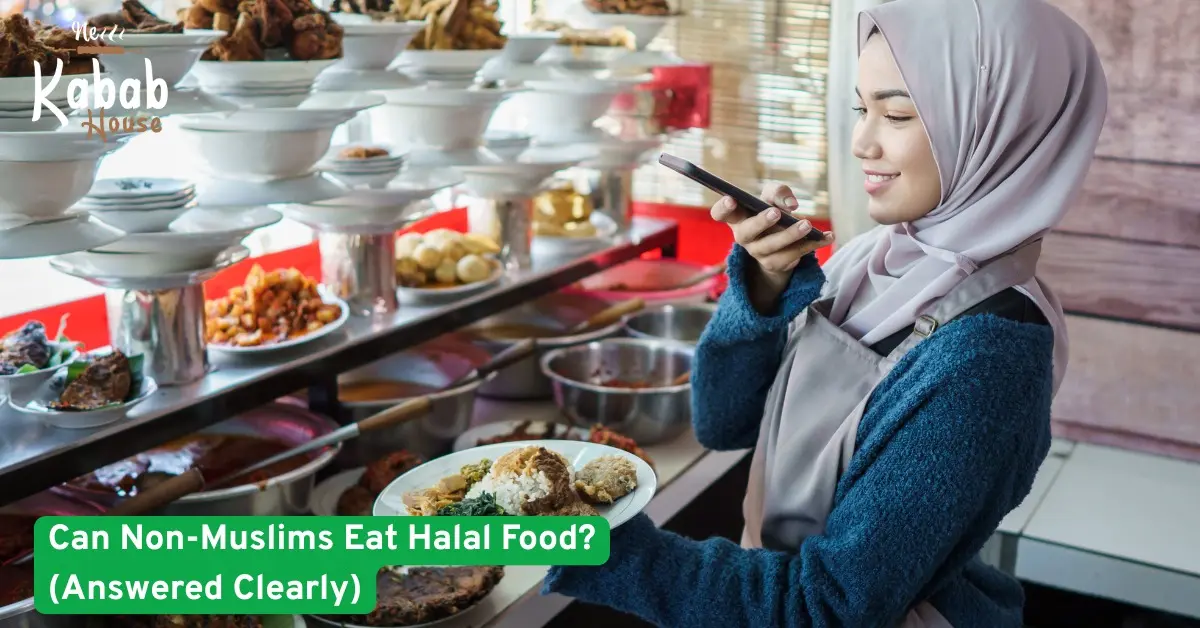
The short and definitive answer is yes, and understanding Can Non-Muslims Eat Halal Food? (Answered Clearly) is essential for anyone curious about clean eating and ethical consumption. You are likely here because you’ve seen the Halal seal in a grocery store or passed by a vibrant grill and wondered if that food is “allowed” for you. From a culinary and health perspective, Halal is not an exclusive club; it is a quality assurance benchmark that emphasizes hygiene and humane practices. In fact, research shows that the global Halal food market is projected to reach $3.4 trillion by 2026, with a significant portion of that growth driven by non-Muslim consumers in the USA who prioritize hormone-free, antibiotic-free meat and transparent supply chains. This guide will demystify the process and show you why Halal might just be the upgrade your diet needs.
What Does “Halal” Actually Mean for Your Plate?
To understand Can Non-Muslims Eat Halal Food? (Answered Clearly), we must first strip away the mystery. “Halal” is an Arabic word meaning “permissible.” While it originates from Islamic law, its practical application results in a set of rigorous standards that benefit every diner, regardless of their background.
- Purity and Wholesomeness: Halal standards go beyond the slaughterhouse; they require the food to be “Tayyib” (pure). This means it must be free from harmful contaminants and prepared in a clean environment.
- The Zabiha Method: For meat to be Halal, it must be slaughtered using the Zabiha method—a swift, humane cut to the throat that ensures the animal does not suffer.
- Blood Drainage: One of the most significant scientific benefits is the complete drainage of blood. Blood is a medium where bacteria like E. coli and Salmonella can thrive; removing it results in cleaner, longer-lasting meat.
The Benefits for Non-Muslim Consumers
Many people are surprised to learn that Can Non-Muslims Eat Halal Food? (Answered Clearly) is a question often asked by health-conscious families looking for better alternatives to factory-farmed products.
1. Ethical Animal Welfare
Modern diners care about where their food comes from. Halal guidelines mandate that animals must be healthy, well-fed, and treated with compassion. Cruelty is strictly forbidden, and animals must not be stressed before the process—a factor that scientists agree improves meat quality by preventing the release of stress hormones like cortisol.
2. Cleaner Taste and Texture
Because the blood is drained and the meat is handled with such specific care, many professional chefs prefer Halal proteins. The meat is often leaner, more tender, and lacks the “metallic” aftertaste sometimes found in conventional, industrial-grade meats.
3. Rigorous Third-Party Oversight
In the USA, Halal certification acts as an extra layer of protection. It involves independent audits that check for “food fraud,” ensuring that what is on the label is exactly what is in the package. For those avoiding pork or alcohol for health or personal reasons, a Halal certificate is a 100% guarantee of compliance.
Frequently Asked Questions (FAQs)
1. Is Halal food spicier than regular food?
No. Halal refers to the sourcing and preparation of the ingredients, not the seasoning. You can have Halal burgers, Halal pizza, or even Halal French cuisine. The spice level depends entirely on the recipe, not the Halal status.
2. Does Halal meat taste different?
Many people find it tastes “cleaner.” Because it is processed with higher hygiene standards and better blood drainage, it is often fresher and has a more delicate flavor than standard supermarket meat.
3. Is it offensive for a non-Muslim to order Halal?
Not at all! In fact, most Halal establishments welcome a diverse clientele. Sharing a meal is a universal sign of community and respect.
4. Can vegans or vegetarians eat Halal?
Yes. All fruits, vegetables, grains, and legumes are naturally Halal (permissible) as long as they haven’t been prepared with alcohol or animal fats.
5. Why is Halal becoming so popular in the USA?
It aligns perfectly with the “clean label” movement. Consumers are looking for transparency, fewer chemicals, and more ethical treatment of livestock—all of which are core pillars of Halal.
Why Choose New Kabab House?
When you’re looking for the perfect place to explore these flavors, New Kabab House stands out as a beacon of quality. We take the guesswork out of the question Can Non-Muslims Eat Halal Food? (Answered Clearly) by providing a menu that is inclusive, transparent, and incredibly flavorful. At New Kabab House, we pride ourselves on our E-A-T (Expertise, Authoritativeness, and Trustworthiness). Our chefs use only the finest Zabiha-certified meats, paired with fresh, locally sourced produce to create dishes that tell a story of heritage and quality. Whether you are a regular or a first-timer, New Kabab House offers a warm, family-friendly atmosphere where every guest can enjoy a meal that is prepared with the highest ethical standards.
Experience the Gold Standard of Dining
In conclusion, Halal is more than a dietary law—it is a commitment to a better food system. By choosing Halal, you are choosing a meal that is cleaner, safer, and more compassionate.
Join Us for an Unforgettable Meal
Ready to taste the difference for yourself? Visit New Kabab House today or check out our online menu to discover the incredible range of flavors we offer. Experience why we are the preferred choice for anyone asking Can Non-Muslims Eat Halal Food? (Answered Clearly) and let us serve you a meal you’ll feel good about!